LA NOTARÍA, UNA OFICINA PÚBLICA AL SERVICIO DEL CIUDADANO
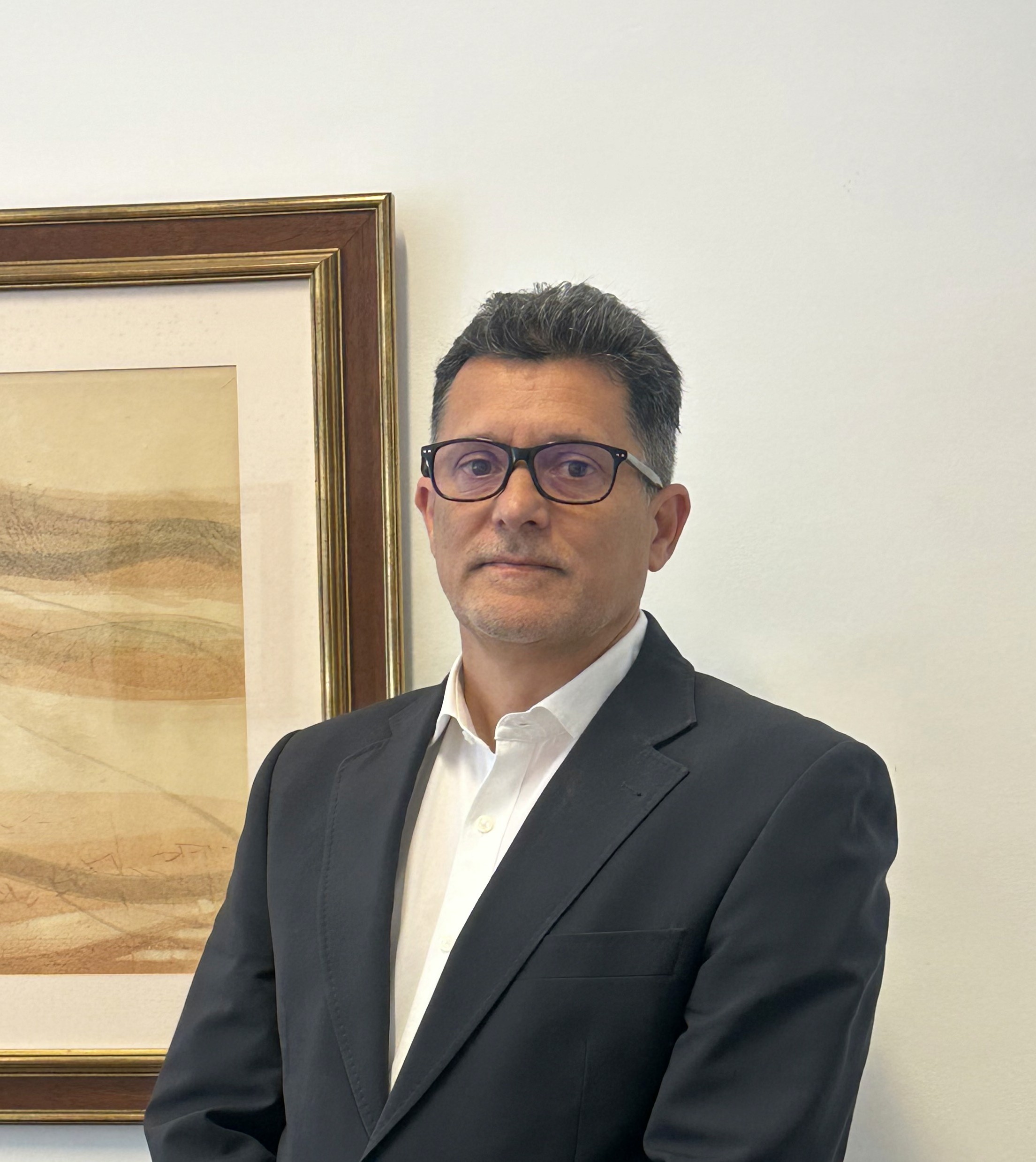
Buenas tardes, ante todo, muchas gracias por darme la oportunidad de expresar lo que siento por esta profesión y a modo de presentación os comento que mi nombre es José Manuel Salaberri Navarro, soy oficial de notaría en la ciudad de Málaga.
Empecé mi profesión allá por septiembre de 1987, en Almuñecar, a los cinco años nos trasladamos a San Cristobal de La Laguna (Tenerife), y por último en 1998 aterrizamos en Málaga, donde sigo realizando mi labor profesional con el mismo Notario que me dio la oportunidad desde el primer día, a quien le estoy profundamente agradecido.
Empecé desde cero, con mucha ilusión y ganas, las mismas que aún conservo, ya que esta profesión me ha dado muchas alegrías, aunque como todo, también algunos momentos menos alegres, difíciles y complicados. En mis comienzos, cuando escuchaba al oficial mayor y al Notario comentar cualquier documento, pensaba que hablaban otro idioma, con tantos conceptos jurídicos y legislación de todo tipo, pero con el tiempo, la experiencia y sobre todo, la formación continua que nos dan los Notarios, uno aprende a hablar y entender ese idioma.
Con lo poco que me han gustado los deberes y desde que empecé a trabajar he tenido que estar formándome continuamente, puesto que todos los días nos examinan unas cuantas veces. Cada cliente es un examen, al que tienes que dar solución legal y te frustras cuando a veces no la tiene.
Dentro de mi dilatada carrera profesional y según mi leal saber y entender, voy a contestar a las preguntas que me hacéis:
¿Existen errores que incluso los perfiles muy adinerados cometen con frecuencia?
Los perfiles muy adinerados no cometen errores, ya que suelen tener un equipo de profesionales muy cualificados, que les ayudan en sus operaciones. Puede ocurrir que alguna operación sea fallida con el tiempo porque la inversión no era lo que esperaban, pero hoy en día, y en cuanto a la finca de la escritura, previamente hacen una "due diligence", y vienen a la notaría con la operación muy controlada.
En cuanto a los perfiles menos adinerados, tampoco se comenten errores, ya que previamente al otorgamiento de la escritura, en la notaría hacemos una labor de recepción y comprobación de documentos para la correcta firma de la escritura, por lo que todas las partes están protegidas por la fe pública notarial.
¿Cuál es el mayor malentendido de los extranjeros al comprar en España?
La gran mayoría de los extranjeros que compran en España tienen otro concepto diferente al nuestro y no suelen tener problemas, ni malentendidos, porque lo primero que hacen cuando quieren comprar un inmueble a un particular, es contratar un abogado y conferirle un poder notarial para que se encargue de la operación desde el principio al fin, entre ellos, firma en notaría, inscripción en el registro de la propiedad, pago de impuestos y hasta contratar los suministros.
Cuando la compra la hacen por medio de una inmobiliaria profesional en el sector, ésta tiene toda la documentación en regla y el otorgamiento de la escritura se suele realizar sin problemas y sin incidencias.
Franceses, ingleses, escandinavos… ¿observa diferencias en su forma de comprar?
Por Málaga no pasan tantos extranjeros como por Marbella, pero algo que si les une, según mi experiencia, es la puntualidad, siendo todos muy respetuosos con el concepto notarial español, siendo éste parecido al francés y muy distinto de los ingleses y escandinavos, donde es desconocido el concepto de documento público, frente al documento privado.
Si tuviera que dar un solo consejo a alguien que compra aquí, ¿cuál sería?
Que obtenga el NIE y abra una cuenta bancaria en España, esto facilitará mucho la compra.
¿Cuál es el mayor error que alguien puede cometer… sin darse cuenta?
Hoy en día es muy difícil, que no imposible, cometer errores, ya que las escritura no suelen prepararse sobre la marcha, existen unos días previos para recopilar documentación y nuestra labor es comprobarlo todo.
¿Ha observado un cambio en el perfil del comprador en los últimos años?
Si, que por desgracia ya no veo a tantos jóvenes comprando, cada vez tienen más edad, y muchos de ellos dependen de donaciones previas de dinero que le hacen los padres. Desde aquí aprovecho para realizar dos reivindicaciones: (i) mayor inversión en VPO; y (ii) una financiación diferente y adaptada a los jóvenes, que son el futuro.
¿Dónde se esconden los riesgos que la mayoría no percibe?
Es muy difícil contestar a esta pregunta, ya que depende de las necesidades de cada uno. Por ejemplo, si es para primera vivienda, debe tener una buena ubicación. Si es para segunda residencia, debe tener en cuenta el precio. No obstante, una compra siempre tiene riesgos.
¿Se anticipa suficientemente la gente a temas como herencias o sucesiones?
En el tema de herencias o sucesiones, no suele haber problemas, ya que los clientes se suelen poner en manos de profesionales o bien, vienen directamente a la notaría y le asesoramos.
Cuestión distinta es la firma del testamento, ya que este es un documento que tiene que tener firmado el causante en vida, siendo este documento el que regula su sucesión y adjudicación de la herencia. He observado que el testamento lo suelen firmar las personas mayores, cuando en realidad lo puede firmar cualquier persona mayor de edad, dejando por escrito y ante Notario como quiere realizar el reparto de sus bienes, presentes y futuros.
¿Cuál es el error más común en la planificación familiar o patrimonial?
No tener otorgado el testamento, ya que es el vehículo idóneo para regular el reparto de los bienes, incluso compensar, en su caso, a los hijos que uno considere que han sido menos beneficiados durante la vida del testador.
¿Cómo ha evolucionado su profesión en los últimos años?
Para muestra un botón, cuando yo empecé, una escritura de compraventa tenía tres folios, y hoy en día, entre la escritura y documentos unidos, no baja de veinticinco folios. La figura del Notario siempre ha sido sinónimo de seguridad jurídica y preventiva, y toda persona que tiene su escritura, no tiene ninguna duda de que es el propietario. No obstante, la evolución ha sido bastante considerable y muy compleja, adaptándonos continuamente a todas las situaciones actualmente del momento, no solo por el hecho de los cambios continuos de legislación jurídica, hipotecaria y fiscal, sino también la importancia que se le ha dado al Notario en materia de jurisdicción voluntaria, prevención de blanqueo de capitales y otras.
¿Qué documentos y decisiones debería dejar cualquier persona preparados antes de que surja un problema?
Esta pregunta también es difícil de contestar, ya que uno no sabe que problemas puede tener de futuro. No obstante, hoy en día tenemos la opción de hacer un poder general preventivo, que sirve incluso para los casos de tener una enfermedad degenerativa en el futuro.
Quiero agradecer a los promotores esta entrevista, que creo que puede dar algo de luz al concepto que tienen los ciudadanos de lo que es una oficina de notaría y sobre todo os deseo que tengáis un estupendo lanzamiento de la revista THE VIEW OF MARBELLA, estoy seguro de que vuestra visión y dedicación marcarán la diferencia en cada edición.
THE NOTARY’S OFFICE: A PUBLIC SERVICE FOR THE COMMUNITY
Good afternoon, and first of all, thank you very much for giving me the opportunity to share what this profession means to me.
By way of introduction, my name is José Manuel Salaberri Navarro, and I am a senior notarial officer in the city of Málaga.
I began my career in September 1987 in Almuñécar. Five years later, we moved to San Cristóbal de La Laguna (Tenerife), and in 1998 we finally settled in Málaga, where I continue to practise today alongside the same Notary who gave me my first opportunity. For that, I remain deeply grateful.
I started from scratch, full of enthusiasm and determination—qualities I still have today. This profession has brought me many rewarding moments, although, like any career, it has also come with difficult and challenging times. In my early days, whenever I listened to the senior officer and the Notary discussing a document, I often felt as though they were speaking a different language. There were so many legal concepts and regulations involved. But over time, through experience and, above all, the continuous training provided by Notaries, you gradually learn to speak and understand that language.
Despite never being particularly fond of homework, since the day I started working I have had to keep learning continuously. In many ways, we are tested every day. Every client is an examination in itself—one that requires a legal solution. And sometimes it can be frustrating when no solution exists.
Drawing on my long professional experience, and to the best of my knowledge and understanding, I am pleased to answer your questions.
Are there mistakes that even very wealthy individuals tend to make?
Highly affluent clients rarely make mistakes, as they are usually supported by teams of highly qualified professionals who assist them throughout their transactions. It is true that some investments may ultimately prove disappointing if they fail to meet expectations, but nowadays, particularly when it comes to property acquisitions, extensive due diligence is carried out beforehand. By the time they arrive at the notary’s office, the transaction is generally very well structured and closely managed.
As for buyers with more modest means, mistakes are also uncommon. Before any deed is signed, the notary’s office carefully reviews and verifies all necessary documentation to ensure the transaction is completed correctly. This process protects all parties through the legal certainty provided by the notarial system.
What is the biggest misconception foreigners have when buying property in Spain?
The vast majority of foreigners purchasing property in Spain approach the process with a different mindset than Spanish buyers, and generally encounter very few misunderstandings. In many cases, when they decide to purchase a property from a private seller, the first thing they do is appoint a lawyer and grant them a notarial power of attorney. This allows the lawyer to manage the entire process from start to finish, including signing before the notary, registering the property, paying taxes, and even arranging utility contracts.
When the purchase is handled through a reputable estate agency, all documentation is usually in order, and the signing of the deed tends to proceed smoothly and without complications.
French, British, Scandinavian buyers... do you notice differences in the way they purchase?
Málaga does not receive quite as many foreign buyers as Marbella, but one characteristic they often share, in my experience, is punctuality. They are generally very respectful of the Spanish notarial system. The French system is relatively similar to ours, whereas the British and Scandinavian systems are quite different, as the concept of a public notarial document is largely unfamiliar compared to private documentation.
If you could give just one piece of advice to someone buying property here, what would it be?
Obtain your NIE (Foreigner Identification Number) and open a Spanish bank account as early as possible. Doing so will make the purchasing process considerably easier.
What is the biggest mistake someone can make without realising it?
Today, it is very difficult—though never impossible—to make significant mistakes. Property deeds are rarely prepared at the last minute. There is usually a period beforehand dedicated to gathering and reviewing all necessary documentation, and part of our role is to ensure everything is checked thoroughly before signing.
Have you noticed a change in the profile of buyers in recent years?
Yes, unfortunately I see fewer young people buying property today. Buyers tend to be older, and many younger purchasers depend on financial support or donations from their parents in order to buy.
This gives me the opportunity to highlight two issues that I believe deserve attention: firstly, greater investment in affordable housing; and secondly, financing solutions specifically adapted to younger generations, who are ultimately the future.
Where do the risks lie that most people fail to notice?
This is a difficult question to answer because it depends entirely on each person's circumstances and objectives. For example, if the property is intended as a primary residence, location is crucial. If it is a second home, price may become a more important factor. Ultimately, however, every purchase carries some degree of risk.
Do people plan sufficiently ahead when it comes to inheritances and succession matters?
Inheritance and succession matters generally do not create major problems, as clients often seek advice from professionals or come directly to the notary’s office, where we guide them through the process.
A different issue is the preparation of a will. A will must be signed during the testator’s lifetime, and it is the document that governs the distribution of their estate after death. I have noticed that wills are often signed only by older individuals, whereas in reality any adult can make one. It allows a person to formally record, before a Notary, how they wish their present and future assets to be distributed.
What is the most common mistake in family or estate planning?
Not having a will in place.
A will is the most effective instrument for organising the distribution of assets. It can also be used, where appropriate, to compensate children who may have received less support or fewer benefits during the testator’s lifetime.
How has your profession evolved over the years?
A simple example says it all. When I began my career, a property deed was typically three pages long. Today, once the deed and all supporting documents are included, it is rarely less than twenty-five pages.
The role of the Notary has always been associated with legal certainty and preventive legal protection. Anyone holding a properly executed deed can be confident in their ownership rights.
That said, the profession has evolved considerably and become increasingly complex. We continually adapt to changing circumstances—not only because of constant developments in legal, mortgage and tax legislation, but also because of the growing responsibilities entrusted to Notaries in areas such as voluntary jurisdiction, anti-money laundering compliance, and many others.
What documents or decisions should people have in place before problems arise?
This is another difficult question, as none of us can predict what challenges the future may bring.
However, one valuable option available today is a preventive general power of attorney. This document can remain effective even in cases where someone later develops a degenerative illness or loses capacity, ensuring that their affairs can continue to be managed according to their wishes.
I would like to thank the publishers for this interview, which I hope helps shed some light on what a notary’s office truly represents and the role it plays in serving the public.
Finally, I would like to wish you every success with the launch of THE VIEW OF MARBELLA magazine. I am confident that your vision and dedication will make each edition stand out and leave a lasting impression.